GraphRAG 真的勝過 RAG 嗎?
文章資訊
作者:Florian June 日期:2026-06-07
原文標題:Does GraphRAG Really Outperform RAG?
Medium 原連結:https://pub.towardsai.net/does-graphrag-really-outperform-rag-6c1a32c50683
📝 重點摘要
TL;DR
教科書頁級問答中,傳統向量 RAG 在答案品質上仍勝過 GraphRAG。
核心問題
業界常爭論 GraphRAG 是否真比傳統 RAG 更強、強多少。本研究以嚴謹的「頁級教科書檢索問答」設定切入,實測比較兩者在檢索準確率與答案生成品質上的差異。
關鍵發現 / 數據
- 自建 benchmark:以數學教科書《An Infinite Descent into Pure Mathematics》經 GPT Vision OCR 後,從 628 題人工篩選為 477 題(含問題、答案、來源頁碼)。
- 檢索準確率:GraphRAG 表現優異,以 o3-mini 達 0.914,與最佳 RAG 模型的 Top-3 相當。
- 答案 F1:GraphRAG 落後多數 embedding RAG 設定。
- 主因是冗餘:GraphRAG 抓取相關實體而非單一最相關頁面,引入雜訊稀釋了答案品質。
- 結論:頁級數學教科書問答,傳統 embedding RAG 目前是更佳選擇。
方法亮點
- 沿用 Microsoft Research 的 GraphRAG pipeline:實體/關係抽取 → 建知識圖譜 → 圖檢索生成。
- 改良可追溯性:為每個實體與文本 chunk 標註
document_ids、entity_ids,並加入include_document_ids參數,使檢索項可回溯到確切頁碼。 - 雙指標評估:Retrieval Page Accuracy(檢索命中)與 Answer Similarity F1(詞重疊精確率/召回率平衡)。
- 測試 5 種 embedding 模型(如 voyage-3-large、nv-embed-v2)作 RAG 基線。
對我的研究有用嗎?
作者點出關鍵錯配:任務粒度是「頁對頁」,但 GraphRAG 的圖是「概念對概念」,這種 granularity gap 值得 GraphRAG 研究者警惕。其建議——建構頁面圖(node=頁,edge=章節結構/公式依賴/跨頁引用),並僅在低信心時擴展鄰域以控雜訊與成本——對 GraphRAG 設計很有啟發。評估面也提醒應超越 hit/F1,納入「教學充分性」與「引用穩健性」。
評語
值得快讀。觀點清晰、實驗具體,但屬單一資料集的小型 benchmark,結論泛化性有限,且 GraphRAG 未針對頁級任務調優,比較略偏不公平。
🌐 中英對照
Author: Florian June 作者:Florian June
Published: 發布日期:
Source: https://pub.towardsai.net/does-graphrag-really-outperform-rag-6c1a32c50683 來源:https://pub.towardsai.net/does-graphrag-really-outperform-rag-6c1a32c50683
Fetched: 2026-06-07T02:50:28.207776 擷取時間:2026-06-07T02:50:28.207776
Does GraphRAG Really Outperform RAG? / GraphRAG 真的勝過 RAG 嗎?
If you've ever asked yourself, "Does GraphRAG really outperform vanilla RAG — and by how much?", you're not alone. It's a question that's been floating around among devs and researchers alike, especially those working on RAG tasks.
如果你曾經問過自己:「GraphRAG 真的勝過原始的 RAG (Retrieval-Augmented Generation,檢索增強生成) 嗎?又勝過多少?」,那你並不孤單。這是一個在開發者與研究人員之間流傳已久的問題,尤其是那些正在處理 RAG 任務的人。
A recent study dives right into this exact question, using a focused and rigorous setup: textbook-level retrieval QA, page by page.
最近的一項研究正好深入探討了這個問題,採用了一個聚焦且嚴謹的設定:教科書層級的檢索式問答 (Retrieval QA),逐頁進行。
It used the undergraduate math textbook "An Infinite Descent into Pure Mathematics" as their dataset. After OCR processing using the GPT Vision model, they created a custom benchmark of 477 samples, which were manually reviewed and filtered down from an initial set of 628. Each consisting of a question, answer, and the specific textbook page it's based on.
這項研究使用了大學數學教科書《An Infinite Descent into Pure Mathematics》作為他們的資料集。在使用 GPT Vision 模型進行光學字元辨識 (OCR, Optical Character Recognition) 處理後,他們建立了一個包含 477 個樣本的自訂基準 (benchmark),這些樣本是從最初的 628 個樣本中經人工審查並篩選而來。每個樣本都包含一個問題、一個答案,以及其所依據的特定教科書頁面。
RAG Settings / RAG 設定
For the baseline RAG, It tested five popular embedding models (think: voyage-3-large, nvidia/nv-embed-v2, and others). On the other hand, GraphRAG was built to leverage inter-page relationships—essentially modeling how concepts flow across pages to support richer retrieval context.
對於基準 RAG,研究測試了五個熱門的嵌入模型 (embedding model)(例如:voyage-3-large、nvidia/nv-embed-v2 等)。另一方面,GraphRAG 的建構則是為了善用頁面間的關係 (inter-page relationships)——本質上是對概念如何跨頁面流動進行建模,以支援更豐富的檢索脈絡。
Press enter or click to view image in full size
按下 Enter 或點擊以檢視全尺寸圖片
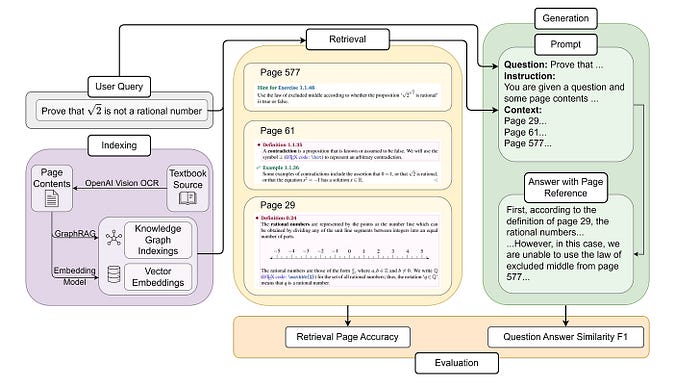
Figure 1: A representative diagram of RAG pipeline. [Source].
圖 1:RAG 流程 (pipeline) 的代表性示意圖。[來源]。
Figure 1 is a quick breakdown of how the RAG pipeline works, illustrated through a simple three-step process:
圖 1 透過一個簡單的三步驟流程,快速拆解了 RAG 流程的運作方式:
-
Indexing. First, the source documents are either embedded into vectors or structured as relational entities when using GraphRAG. This step sets the foundation for everything that follows.
-
索引 (Indexing)。首先,來源文件會被嵌入為向量,或者在使用 GraphRAG 時被結構化為關係實體 (relational entities)。這個步驟為後續的一切奠定了基礎。
-
Retrieval. Given a user query, the system searches for the top-k most relevant pages or entities based on semantic similarity. The goal is to pull in the most useful context to help answer the question.
-
檢索 (Retrieval)。給定一個使用者查詢,系統會根據語意相似度 (semantic similarity) 搜尋出排名前 k 個最相關的頁面或實體。目標是擷取最有用的脈絡來協助回答問題。
-
Generation. Finally, the model takes in the query, the prompt, and the retrieved content, then generates an answer using a large language model.
-
生成 (Generation)。最後,模型接收查詢、提示詞 (prompt) 與檢索到的內容,然後使用大型語言模型 (LLM, Large Language Model) 生成答案。
GraphRAG Settings / GraphRAG 設定
The baseline setup follows the GraphRAG pipeline from Microsoft Research. It starts with entity and relation extraction from textbook pages, then builds a knowledge graph, and finally performs graph-based retrieval and generation. Each node in the graph carries its source snippet to keep things traceable.
基準設定遵循微軟研究院 (Microsoft Research) 的 GraphRAG 流程。它首先從教科書頁面中進行實體與關係的抽取 (entity and relation extraction),接著建立知識圖譜 (Knowledge Graph),最後執行基於圖譜的檢索與生成。圖譜中的每個節點 (node) 都帶有其來源片段 (snippet),以保持可追溯性。
But this study didn't stop there. They introduced some key improvements to make the pipeline more transparent and page-aware. Specifically, they explicitly tagged each knowledge entity and text chunk with document_ids and entity_ids, and added parameters like include_document_ids to the context-building functions. This allows every retrieved item to be linked back to its exact page number in the textbook.
但這項研究並未止步於此。他們引入了一些關鍵改進,使流程更加透明且具備頁面感知能力 (page-aware)。具體來說,他們明確地為每個知識實體與文字區塊 (text chunk) 標記 document_ids 與 entity_ids,並在脈絡建構函式 (context-building functions) 中加入了像是 include_document_ids 的參數。這使得每個被檢索到的項目都能連結回它在教科書中確切的頁碼。
Evaluation / 評估
To evaluate performance, there are two main metrics.
為了評估效能,主要有兩個指標 (metrics)。
The first is Retrieval Page Accuracy, which measures how often the correct page is successfully retrieved. The second is Question Answer Similarity F1, which looks at the overlap between the model's output and the ground-truth answer. This is calculated using shared words. Precision captures how much of the output overlaps with the ground truth, while recall measures how much of the ground truth is covered in the output. The F1 score balances both, giving a sense of overall alignment.
第一個是檢索頁面準確度 (Retrieval Page Accuracy),用來衡量正確頁面被成功檢索的頻率。第二個是問答相似度 F1 (Question Answer Similarity F1),它檢視模型輸出與標準答案 (ground-truth answer) 之間的重疊程度。這是透過共享詞彙來計算的。精確率 (Precision) 捕捉輸出中有多少與標準答案重疊,而召回率 (Recall) 則衡量標準答案中有多少被輸出涵蓋。F1 分數在兩者之間取得平衡,提供了一種整體一致性的衡量感受。
Press enter or click to view image in full size
按下 Enter 或點擊以檢視全尺寸圖片
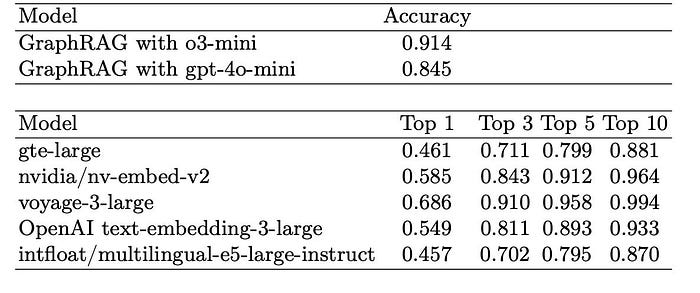
Figure 2: Target Page Retrieval Accuracy for different models. [Source].
圖 2:不同模型的目標頁面檢索準確度。[來源]。
Press enter or click to view image in full size
按下 Enter 或點擊以檢視全尺寸圖片
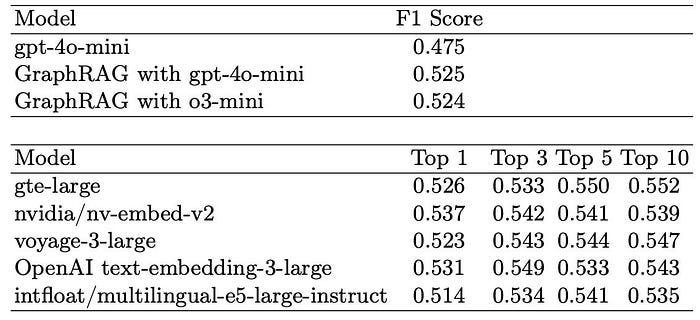
Figure 3: F1 Score for Answer Generation Performance for different models. [Source].
圖 3:不同模型在答案生成效能上的 F1 分數。[來源]。
So, how does GraphRAG actually perform?
那麼,GraphRAG 的實際表現如何呢?
The results are mixed. In terms of Retrieval Accuracy, it performs very well (achieving 0.914 with o3-mini), comparable to the Top-3 performance of the best RAG models. However, regarding the F1 score for generated answers, it does underperform compared to most RAG setups.
結果是好壞參半的。在檢索準確度方面,它表現得非常好(使用 o3-mini 達到 0.914),可與最佳 RAG 模型的 Top-3 表現相媲美。然而,在生成答案的 F1 分數方面,它的表現確實不如大多數的 RAG 設定。
One key issue is redundancy. Because GraphRAG retrieves related entities rather than just the most relevant page, it often pulls in extra content that isn't directly helpful. This extra noise tends to dilute the quality of the generated answers.
一個關鍵問題是冗餘性 (redundancy)。因為 GraphRAG 檢索的是相關實體,而不只是最相關的頁面,所以它常常會帶入並非直接有用的額外內容。這些額外的雜訊往往會稀釋生成答案的品質。
In terms of F1 score, GraphRAG falls behind most of the embedding-based RAG models. The extra context doesn't always align well with the structure of textbook pages, which makes it harder for the model to stay on target.
在 F1 分數方面,GraphRAG 落後於大多數基於嵌入的 RAG 模型。額外的脈絡並不總是能與教科書頁面的結構良好對齊,這使得模型更難切中目標。
The takeaway is pretty clear. For page-level question answering on math textbooks, traditional embedding-based RAG is currently the better choice. GraphRAG still struggles with quality of answer generation and page alignment, which limits its overall effectiveness.
結論相當明確。對於數學教科書上的頁面層級問答,傳統的基於嵌入的 RAG 目前是更好的選擇。GraphRAG 在答案生成品質與頁面對齊 (page alignment) 方面仍然有所掙扎,這限制了它整體的效用。
Thoughts / 一些想法
I want to share a few thoughts.
我想分享幾點想法。
The granularity in this task is page-to-page — you ask a question about one page and expect an answer grounded on that same page. But GraphRAG's graph connects concept-to-concept. That gap matters. A better approach might be to construct a graph of pages, where each node represents a page and edges represent section structure, formula dependencies, or cross-page references. Then, only expand the neighborhood when confidence is low, to reduce noise and manage costs.
這項任務的粒度 (granularity) 是頁對頁的——你針對某一頁提出問題,並期望得到一個立基於同一頁的答案。但 GraphRAG 的圖譜連結的是概念對概念。這個落差很重要。一個更好的做法或許是建構一個頁面圖譜 (graph of pages),其中每個節點代表一個頁面,而邊 (edges) 則代表章節結構、公式依賴關係或跨頁參照。接著,僅在信賴度 (confidence) 較低時才擴展鄰域 (neighborhood),以減少雜訊並控制成本。
In addition, evaluation should go beyond just page hits and F1 scores. In a real textbook setting, what matters more is instructional sufficiency and reference robustness — things like whether nearby pages are meaningfully linked, whether key definitions and formulas are covered, and whether references hold up consistently. These are the metrics that better reflect the true value of retrieval in an educational context.
此外,評估不應只侷限於頁面命中率與 F1 分數。在真實的教科書情境中,更重要的是教學充分性 (instructional sufficiency) 與參照穩健性 (reference robustness)——像是鄰近頁面是否有意義地連結、關鍵定義與公式是否被涵蓋,以及參照是否能一致地成立。這些才是能更好地反映檢索在教育情境中真正價值的指標。
My Latest Articles: aiexpjourney.substack.com.
我的最新文章: aiexpjourney.substack.com。
🔤 關鍵術語
| 英文 | 繁中譯名 | 文章中的脈絡 / 簡短說明 |
|---|---|---|
| GraphRAG | 圖譜檢索增強生成 | 以知識圖譜為基礎的 RAG,透過實體與關係連結進行檢索 |
| RAG (Retrieval-Augmented Generation) | 檢索增強生成 | 基準作法,先檢索相關內容再交由 LLM 生成答案 |
| Knowledge Graph | 知識圖譜 | 由文本抽取的實體與關係建構而成,供圖譜式檢索使用 |
| Embedding Models | 嵌入模型 | 將文件轉成向量的模型,如 voyage-3-large、nv-embed-v2 |
| Vector Embeddings | 向量嵌入 | 索引階段將來源文件嵌入成向量以供語意比對 |
| Entity and Relation Extraction | 實體與關係抽取 | GraphRAG 從教科書頁面抽取實體與關係以建圖 |
| Indexing | 索引(建立) | RAG pipeline 第一步,將文件向量化或結構化為關聯實體 |
| Retrieval | 檢索 | 依使用者查詢取出 top-k 最相關的頁面或實體 |
| Generation | 生成 | LLM 結合查詢、提示與檢索內容產生答案 |
| Top-k Retrieval | Top-k 檢索 | 依語意相似度取出前 k 筆最相關結果 |
| Semantic Similarity | 語意相似度 | 檢索階段判斷查詢與內容相關性的依據 |
| Graph-based Retrieval | 圖譜式檢索 | 透過圖節點與邊進行檢索與生成 |
| Retrieval Page Accuracy | 檢索頁面準確率 | 評估正確頁面被成功檢索的比例(o3-mini 達 0.914) |
| Question Answer Similarity F1 | 問答相似度 F1 | 以共享詞衡量輸出與標準答案的重疊(precision/recall 平衡) |
| Precision / Recall | 精確率/召回率 | 分別衡量輸出涵蓋標準答案的精準與完整程度 |
| Ground-truth Answer | 標準答案 | 用以比對模型輸出的正確參考解答 |
| OCR (Optical Character Recognition) | 光學字元辨識 | 以 GPT Vision 對教科書進行 OCR 建立資料集 |
| Entity Traversal / Inter-page Relationships | 實體走訪/跨頁關係 | GraphRAG 建模概念跨頁流動以擴充檢索脈絡 |
| Large Language Model (LLM) | 大型語言模型 | 生成階段用以產出最終答案的模型 |
| Retrieval QA | 檢索式問答 | 本研究的任務設定:逐頁的教科書檢索問答 |